




Diamonds have their four C’s: cut, color, clarity and carat-weight. But Arizona has five C’s all its own: copper, cattle, cotton, citrus and climate, and these have helped established the state as one of the most desirable places to live in America. Significant as the nation’s newest of its 48 contiguous states, Arizona is a fascinating blend of old and new. Its history is reflected in the diverse culture and architecture that comprise the state’s wealth of communities. Even Arizona’s largest cities – Phoenix and Tucson – pay homage to the pioneering people and spirit that tamed the Wild West. They and other cities, such as Flagstaff, are among the leading centers in the world for genomics and biodefense research as well as scientific endeavors. The Mars Exploration Rover Spirit featured mineral-scouting equipment developed at Arizona State University in Tempe.
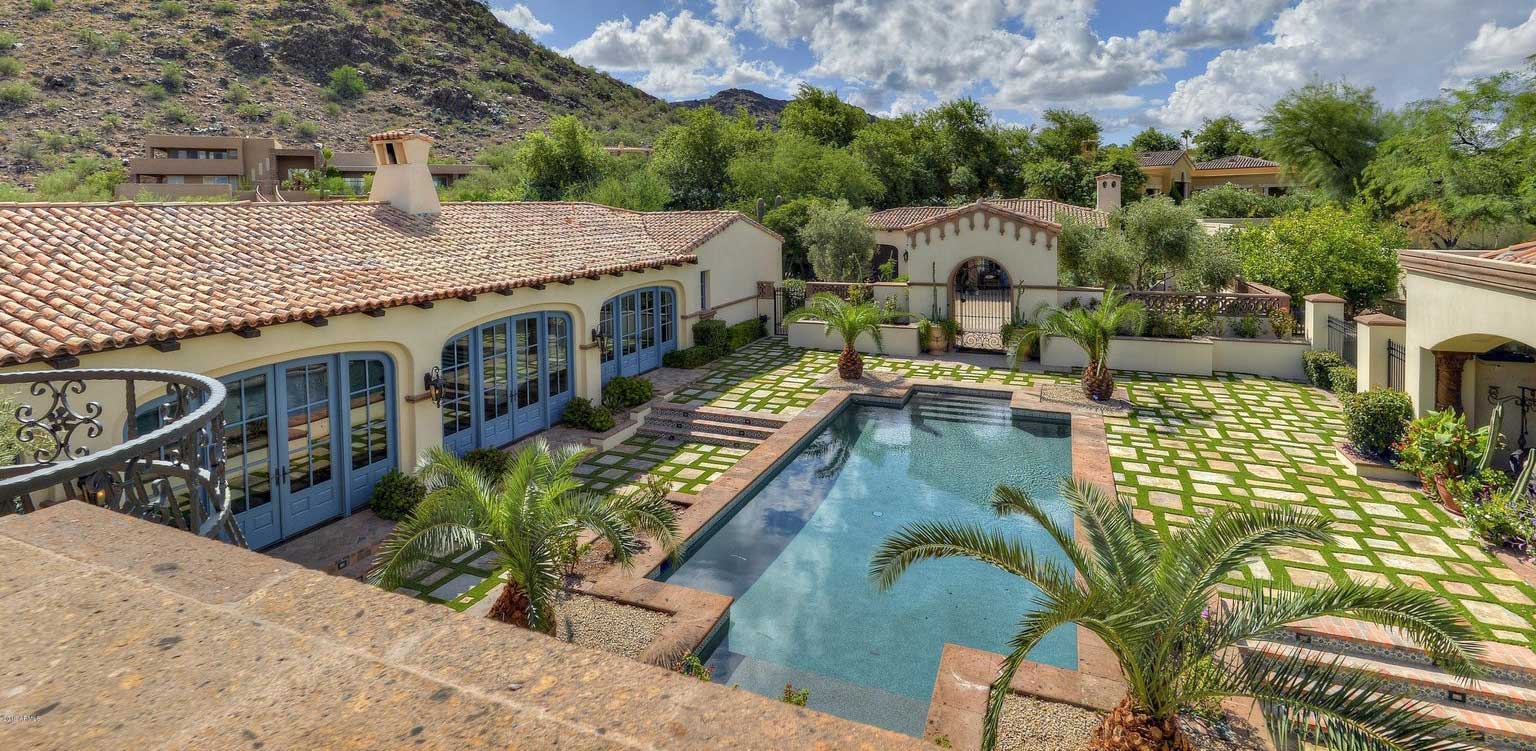
From its desert floor to its mountaintops, Arizona offers a variety of topography in which to live. Best of all, its 6.2 million residents live comfortably, and often lavishly, in homes styles that reflect Arizona’s history, such as Southwest, Pueblo and Territorial, as well as influences brought here by its diverse population.
Metropolitan Phoenix is the state’s heartbeat. Up until the 1980s, the downtown corridor along Central Avenue was the hub for corporations and luxury living, but its light dimmed in the early 1990s, partially due to the popularity of its suburbs. With the coming of the new century, the area is experiencing unprecedented growth and revitalization. A new light rail system is expected to carry a wealth of people to and from the urban corridor. It is home to the Heard Museum, Herberger Theater Center, Phoenix Symphony, Steele Indian School Park, galleries, restaurants, nightclubs, theaters, entertainment venues and such sports facilities as Chase Field and America West Arena. Upscale high-rise condominiums with remarkable views in this trendy area can range from $1 million to $5 million. Urban living has a suburban feel in the North Central Phoenix Corridor, extending north of the downtown area to the foothills of the Phoenix Mountain Preserve. Featuring many historic and stately homes and estates, the corridor offers residents an upscale lifestyle among this region’s tree-lined streets, mature landscaping, deep setbacks from the main streets, and walking paths.
Radiating from downtown Phoenix is a number of upscale neighborhoods. The Biltmore Area is home to the prestigious Arizona Biltmore Resort, which has hosted many of the 20th century’s Presidents; Wrigley Mansion and the ritzy Biltmore Fashion Square shopping mall, home to high-end stores such as Saks Fifth Avenue and such designer boutiques as Prada, Stuart Weitzman and Ralph Lauren. With its sprawling ranch homes on large, manicured lots, the Arcadia Area, just east of the Biltmore, is reminiscent of Midwest communities. Arcadia’s small-town feeling and mature landscaping has made it attractive to young families.
Another upscale community is Paradise Valley. Located east of northern Phoenix, the area attracts wealthy homeowners who can afford its wide-open spaces – residential lots are at least 1 acre in size – and mountainside views. Homes start at $1.5 million in tony subdivisions such as Judson Estates, constructed on the former site of the private Judson School, and Tatum Canyon at the base of the Phoenix Mountains. Hiking trails on Camelback Mountain and Mummy Mountain bring in outdoor enthusiasts of all ages. The Goldwater Memorial, located in the heart of Paradise Valley, pays tribute to the late Arizona Sen. Barry Goldwater, who called the town his home for many years. Paradise Valley zoning restricts businesses except for the historic El Chorro restaurant and world-class resorts and spas. These include Camelback Inn, a JW Marriott Resort & Spa; Sanctuary on Camelback Mountain and the newly opened Montelucia, an Intercontinental Resort. A new Ritz-Carlton resort with private residences will be built on property straddling Paradise Valley and Scottsdale. Both cities are among the top 10 markets in the nation for luxury home sales.
Just east of Paradise Valley is Scottsdale, one of Arizona’s fastest growing communities. As new land continues to be developed to the north, Scottsdale has emerged as one the region’s largest communities. It is loosely divided into four areas. South Scottsdale is transforming its reputation as the city’s working class region into a dynamic urban area. It contains the major nightlife for the area and is a major art center of metro Phoenix. The median resale home price is $291,500, compared to $667,450 in North Scottsdale. It is home to Sky Song, the new research center for Arizona State University, and “Motor Mile,” a stretch of well-traveled street boasting 26 car dealerships such as Porsche, Lamborghini and Jaguar.
Old Town Scottsdale Real Estate is booming thanks to the city’s revitalization efforts. Long an established arts and culture destination famous for its Thursday night ArtWalk, the downtown area has welcomed The Waterfront and Southbridge, new retail, residential and entertainment centers overlooking the Scottsdale Canal. Nearby, the established Scottsdale Fashion Square, one of the 20 largest shopping malls in the United States and the exclusive home to the state’s only Neiman Marcus store, recently welcomed new designer boutiques such as Michael Kors and Carolina Herrera.
The Shea Corridor is so named because of its close proximity to the east-west running Shea Boulevard. Homes here were generally built during the 1970s. There are a number of communities in this central region of Scottsdale that remain among the most highly sought-after residential areas in the metropolitan area, including Gainey Ranch and McCormick Ranch. A large portion of Scottsdale Road in the Shea Corridor has been dubbed the Resort Corridor for the high number of resorts located along the street. The second Ritz-Carlton in the Phoenix metropolitan area will be constructed along this corridor, joining the Scottsdale Plaza Resort, Doubletree Paradise Valley Resort and FireSky Resort as well as chic shopping centers such as The Shops at Gainey Village, Hilton Village and The Borgata.
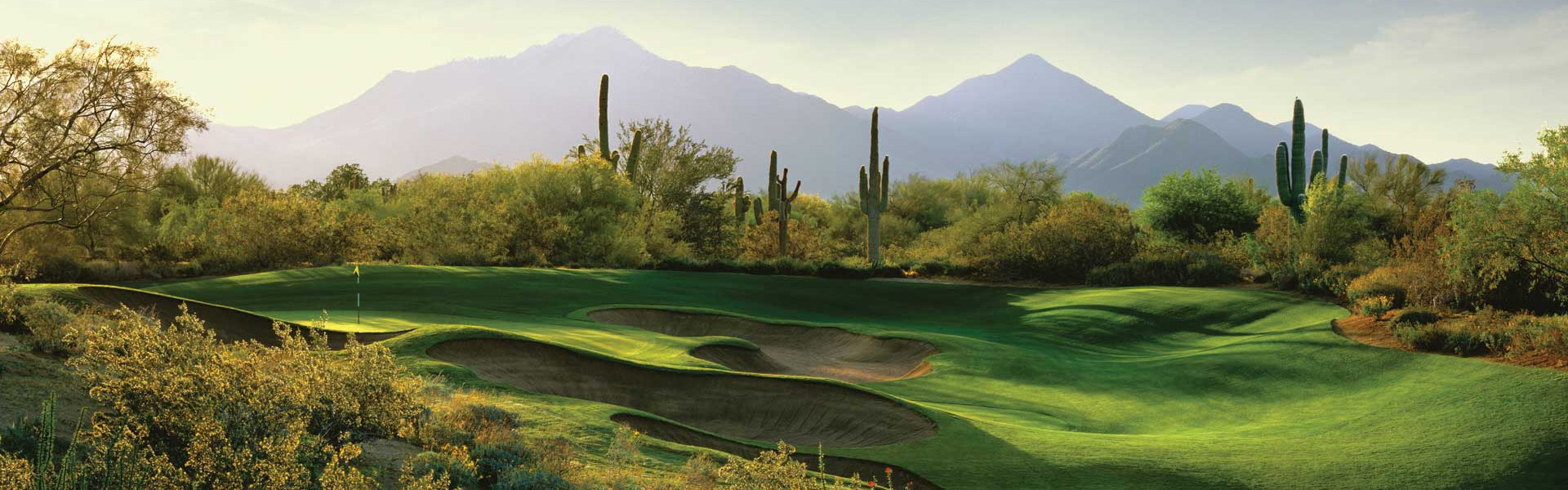
North Scottsdale, the city’s newest phase of development, is growing rapidly while preserving the area’s legendary desert appeal. This portion of the city also claims many of the most expensive homes in the country; many exceed $5 million and even $10 million in value. Much of the region borders the McDowell Mountain Range, a coup for residents who require an active, outdoor recreation lifestyle. Among the many residential communities in this area are Pinnacle Peak and Rio Verde Foothills, and golf/gated communities Silverleaf, DC Ranch, McDowell Mountain Ranch, Whisper Rock, Troon, Grayhawk, Estancia, Legend Trail, Terravita, Desert Mountain and Mirabel.
Much of modern-day Fountain Hills owes its existence to Robert P. McCulloch, Sr., the entrepreneur who also bought the world-famous London Bridge to the desert community of Lake Havasu City, Arizona. McCulloch built the community’s namesake fountain, which at 562 feet is the world’s fourth-tallest fountain. Known for its open spaces, panoramic views, mountainside homesites and lush golf courses, the community was the eighth fastest-growing place among all cities and towns in Arizona between the 1990 and 2000 census. Fountain Hills’ neighbors include the Fort McDowell Indian Reservation with its Radisson Fort McDowell Resort and Casino, and Charles W. Juels’ Fountain Hills Observatory. The median price for homes is $495,000; however, luxury custom homes in the community’s many gated communities start around $900,000 and can reach $5 million.

The neighboring towns of Carefree and Cave Creek sit north of Phoenix and west of Scottsdale. Homes here average $1 million in value and usually offer pristine desert views of nature’s grandeur and a relaxed serene atmosphere. Temperatures are 4 to 5 degrees cooler than Phoenix because they sit at a higher altitude, almost 3,000 feet. Although both communities are often referred to in the same breath, each possesses a unique personality. While Cave Creek enjoys a reputation for celebrating and preserving its illustrious past, the younger community of Carefree is becoming a hub of contemporary southwestern art and culture. Over time, the communities have become living complements to one another – each with its own lore and legend. Business names here reflect the small-town feel and Old West history. Residents can enjoy a play at the Desert Foothills Community Theater, commune with nature and history in the Sonoran Desert, Bartlett Lake or the Carefree Sundial landmark, and dine at such quaintly named restaurants as The Horny Toad or Satisfied Frog.
Northern Arizona, home of breathtaking mountain vistas and the wondrous Grand Canyon, is also home to some of the nation’s more distinctive communities. Flagstaff is a charismatic blend of state-of-the-art technology and historic, mountainside lifestyles. Homes prices here average $850,000 to $1.5 million, with gated communities, such as Pine Canyon and Forest Highlands, averaging $350-$400 per square foot. People are drawn to Flagstaff’s multi-cultural landscape. It is home to Northern Arizona University and its symphony, the San Francisco Peaks mountain range, four seasons for year-round recreation and a Class 1 trauma center, all with convenient access to a major interstate.
Just south of Flagstaff are the mountainside communities of Prescott and Sedona. Located in Arizona’s high desert under the towering southwestern rim of the vast Colorado Plateau, the city of Sedona is blessed with four mild seasons marked by abundant sunshine and clean air. The region is recognized as a burgeoning arts and cultural center and a mecca for spiritualists. Characterized by massive red-rock formations, as well as the contrasting riparian areas of Oak Creek Canyon, Sedona is a sought-after residence for people who enjoy a relaxed lifestyle and want to be in tune with their environment. The mean home price is $500,000, with luxury homes averaging $1 million to $2 million. Single-level contemporary Southwest architecture is popular here. The Old West is preserved in Prescott, southwest of Sedona and north of Phoenix. Residents are drawn to its unique setting along Granite Creek, where gold was panned in the mid-19th century; mountainous surroundings, year-round outdoor recreation, mountain preserves, classic Victorian homes and cultural arts scene. The city places great emphasis on historic preservation, with more than 600 buildings on the National Register of Historic Places. These include Sharlot Hall Museum, the former Governor’s mansion; and bars along infamous Whiskey Row in Prescott’s Town Square. The city’s median home price is $310,000; however, homes in prestigious golf communities such as American Ranch, Talking Rock Ranch and Hassayampa Country Club start at $1 million.
Phoenix’s East Valley has experienced tremendous growth over the past decade. Only 25 years ago, the city of Chandler was a quaint rural town. Today, it is a bustling upscale community with homes in subdivisions averaging $800,000-$850,000 and medium-range custom homes selling for about $1.4 million. Residents enjoy Chandler’s close proximity to major freeways as well as its multitude of retail areas, including Chandler Fashion Center, and Santana and Casa Paloma shopping centers. The city’s first affluent golf community was San Marcos Country Club, home of Arizona’s famous San Marcos Hotel. The Islands community within the Ocotillo master-planned community with multiple lakes and a golf course, and Oakland Hills, home to 31 two-acre lots surrounding a 15-acre island, continue to attract luxury homebuyers. Homes in Oakland Hills range from $2 million to $6 million.
Nearby is Gilbert, the nation’s fastest-growing community, increased its population from 109,700 in 2000 to 203,360 in 2007. Residents here enjoy the city’s close proximity to major freeways and the diverse home pricing. Six Circle G communities featuring custom homes on large lots are located here. Home prices for these communities start at $1 million.
Mesa, Arizona is well-known for its citrus communities, which are built on the sites of former citrus orchards that flourished here in the mid-20th century. About 25 gated communities feature one-acre and multi-acre lots that still feature groves of citrus trees. As a result, the air fills with the seasonal sweet scent of the tree boughs in bloom. Homes here range from $1 million to $5 million. Residents in the affluent golf community of Las Sendas Mountain enjoy extraordinary city views and outdoor recreation. Home prices start about $400,000 and can reach up to $5 million.
Mesa also is home to a number of historic landmarks, such as the Commemorative Air Force Arizona Wing Aircraft Museum, home of the legendary World War II B-17 aircraft “Sentimental Journey,” and the Church of the Latter Day Saints’ Mesa Arizona Temple. Hohokam Park hosts Cactus League baseball play and is the spring training home of the Chicago Cubs. The historic city also is home of the Mesa Arts Center, Arizona Museum for Youth, Mesa Historical Society and Museum. and Arizona Museum of Natural History.
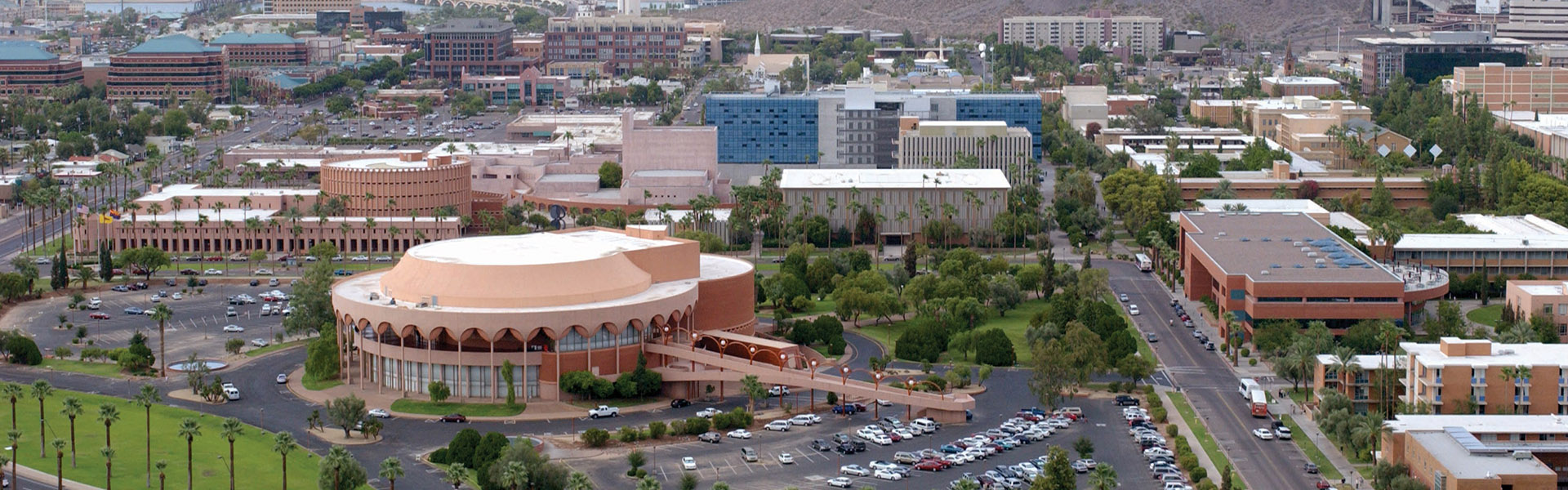
Tempe is known as the home of Arizona State University. While the educational institute and world-class research facility are draws, residents also enjoy Tempe’s close proximity to major freeways, rural horse properties, and traditional brick, Santa Barbara-style stucco and Victorian homes. Newer Tuscan-style residences also are popular. Today’s custom homes range in price from $700,000 to $3 million, and can go as high as $10 million. The city is sprinkled with affluent communities where home prices start at $1 million. Many of Tempe’s elite population reside in the upscale communities of Circle G, Warner Estates, Pecan Groves and Wingfoot.
Phoenix’s West Valley was once blanketed with farming communities and quiet hamlets. Like its counterparts to the east, the region has enjoyed a growth boom that has attracted new residents, industries and strong economies. Glendale and Peoria are two of the region’s more thriving communities. Both are home to mid-range homes that average $250,000 with luxury homes starting at $500,000. They also boast a significant number of active adult communities, such as Sun City, Westbrook Village and Trilogy, that guide much of the region’s lifestyles and businesses. Homes in Arrowhead Lakes, a unique neighborhood that straddles Glendale and Peoria, line the water canals that flow throughout the community. The two cities also benefit from the exciting new entertainment and sports venues that have cropped up within their municipal borders. Residents are close to the Peoria Sports Complex, homes of Cactus League Baseball and spring training for the San Diego Padres and Seattle Mariners Major League Baseball teams. Glendale’s Westgate City Center is an urban-style mix of residences, shops, restaurants, offices and hotels adjacent to Jobing.com Arena, home to concerts and more than 200 sporting events annually, including the Phoenix Coyotes hockey team’s games; and University of Phoenix Stadium, home of the NFL’s Phoenix Cardinals and the annual Tostitos Fiesta Bowl. Nearby in Peoria, residents enjoy a multitude of retail and entertainment options, including those at the Arrowhead Shopping Mall, and access to the Lake Pleasant recreation area.
Arizona’s westernmost border is established by the Colorado River and home to the state’s second most visited tourist attraction, the London Bridge in Lake Havasu City. The city was founded by 1971 by businessman Robert P. McCulloch, Sr., the man who also developed Fountain Hills, east of Scottsdale. Since then, the city’s population has grown to more than 50,000 people. Since land here slopes up from the lake, most homes offer a view of the blue water and Chemehuevi Indian Reservation across the lake. The mean price of Lake Havasu City’s Southwest and Tuscan homes is $200,000 with luxury homes starting around $500,000. Golf course and mountainside homes can reach up to $2 million.
Arizona State Facts:
State Motto: Ditat Deus (God Enriches)
Date of Statehood: February 14, 1912
State Capitol: Phoenix (also its largest city)
State Size: 113,909 square miles
State Flag: Arizona’s bold-colored flag was designed by Charles W. Harris and first sewn by Nan D. Hayden. Blue and yellow are the Arizona colors, while red and yellow are the colors of the Spanish Conquistadores who first came to Arizona in 1540. The lower half of the flag is a solid blue field. On top are 13 equal segments – six yellow and seven red – that extend from the blue like sun rays. In the center is a copper-colored five-point star.
State Flower: Blossom of the Saguaro Cactus. The pure white flower can be seen blooming on the saguaro cactus during May and June.
State Gem: Turquoise. The blue-green stone, composed of hydrous oxide of aluminum and copper and found in a variety of shades of color, is commonly found in Southwest Indian jewelry.
State Tree: Palo Verde. Its name means “green stick.” Its flowers bloom a vibrant yellow-gold during late spring.
State Bird: Cactus Wren. This 7- to 8-inch-long bird gets its name from the cactus it builds its home inside as protection from predators. The cactus wren’s colors – brown with white spots on its back, and lighter colored with black spots on its throat – also help camouflage the bird.
State Reptile: Arizona Ridge-nosed Rattlesnake. Also known as Crotalus willardi, it is a small rattlesnake of the venomous pitviper species marked by distinctive ridges along each side of its nose. It is usually found outside habits of high elevation, such as wooded mountain ranges.
Arizona’s Five C’s: Copper, cattle, cotton, citrus and climate.
Now that you know enough about the state of Arizona real estate, find out more about some of the popular cities in Arizona by visiting these pages: Scottsdale AZ Homes, Phoenix AZ Homes, Tucson AZ Homes, Paradise Valley AZ Homes, Fountain Hills AZ Homes, and Oro Valley AZ Homes.

{ 1 comment }